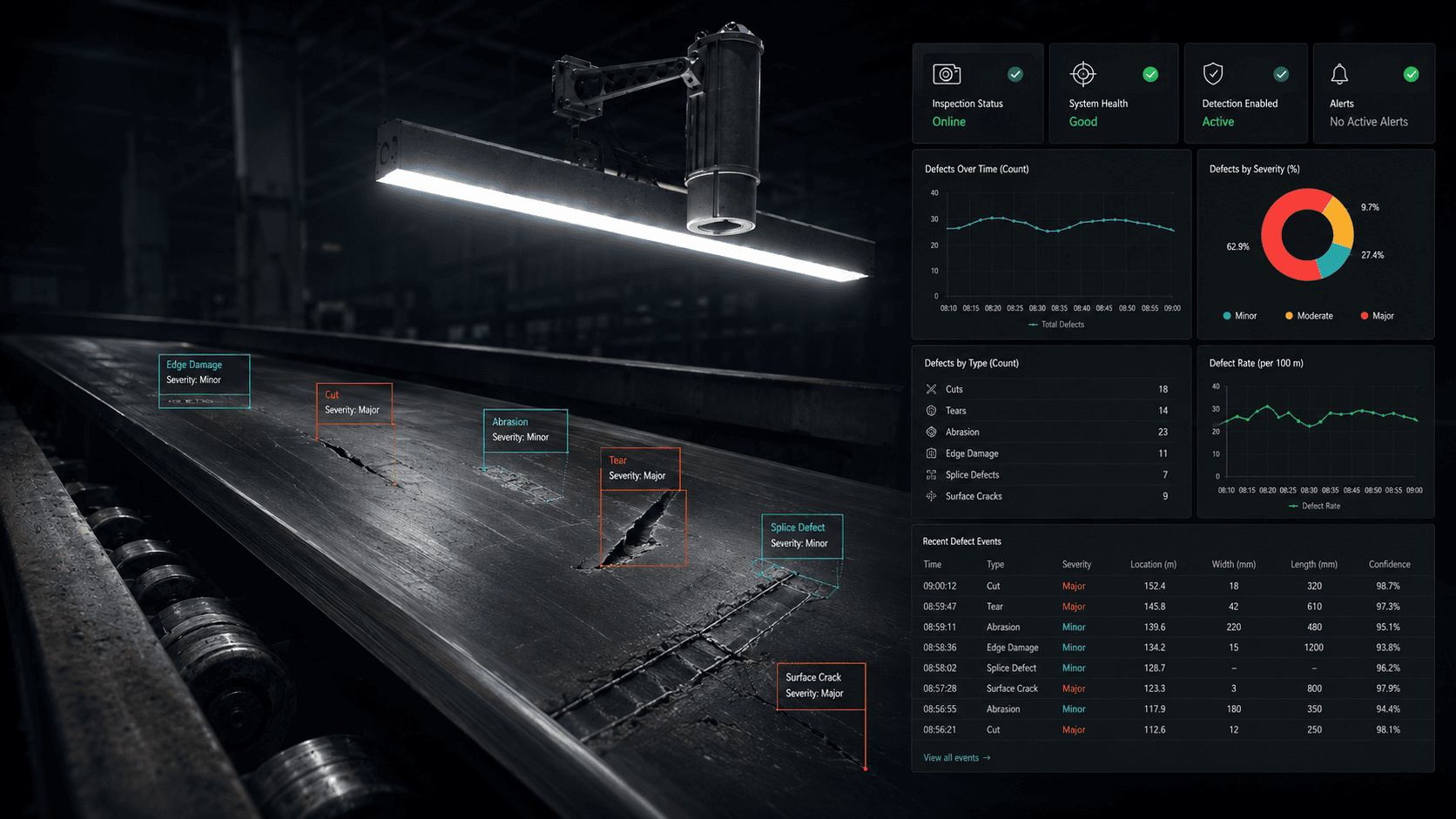
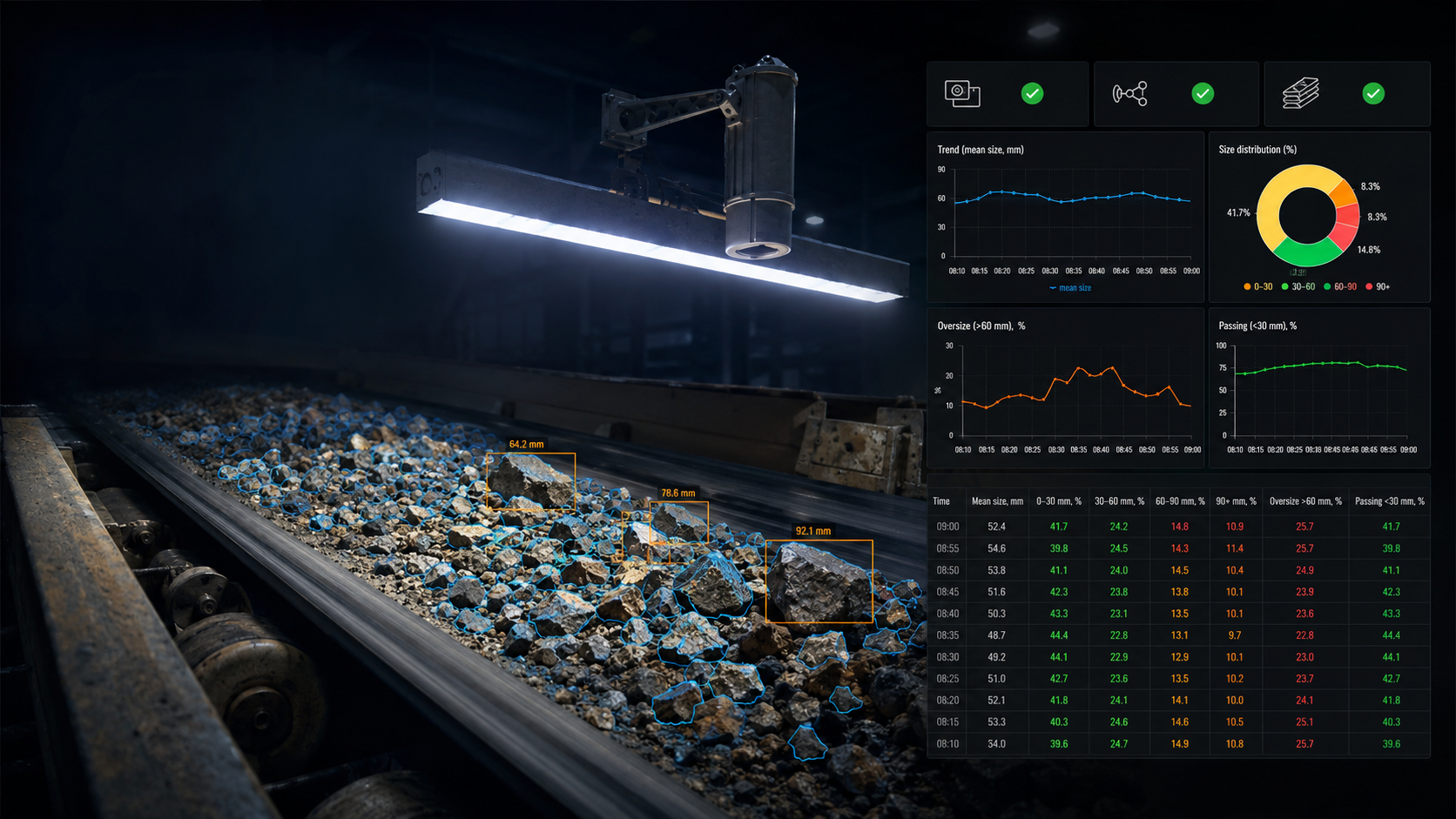
Object counting
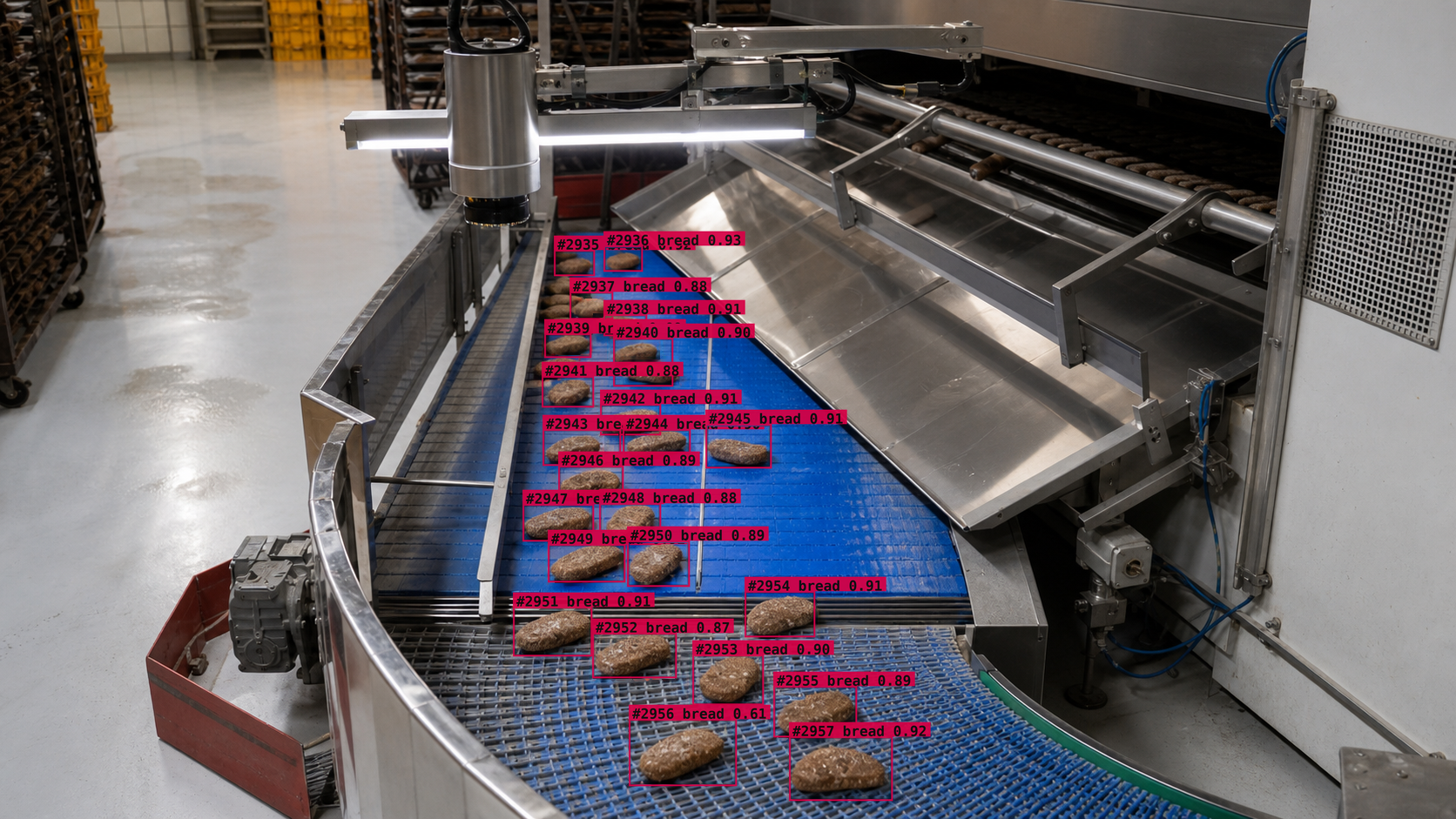
Recording every object as it crosses a control line or passes through an analysis zone without stopping the conveyor.

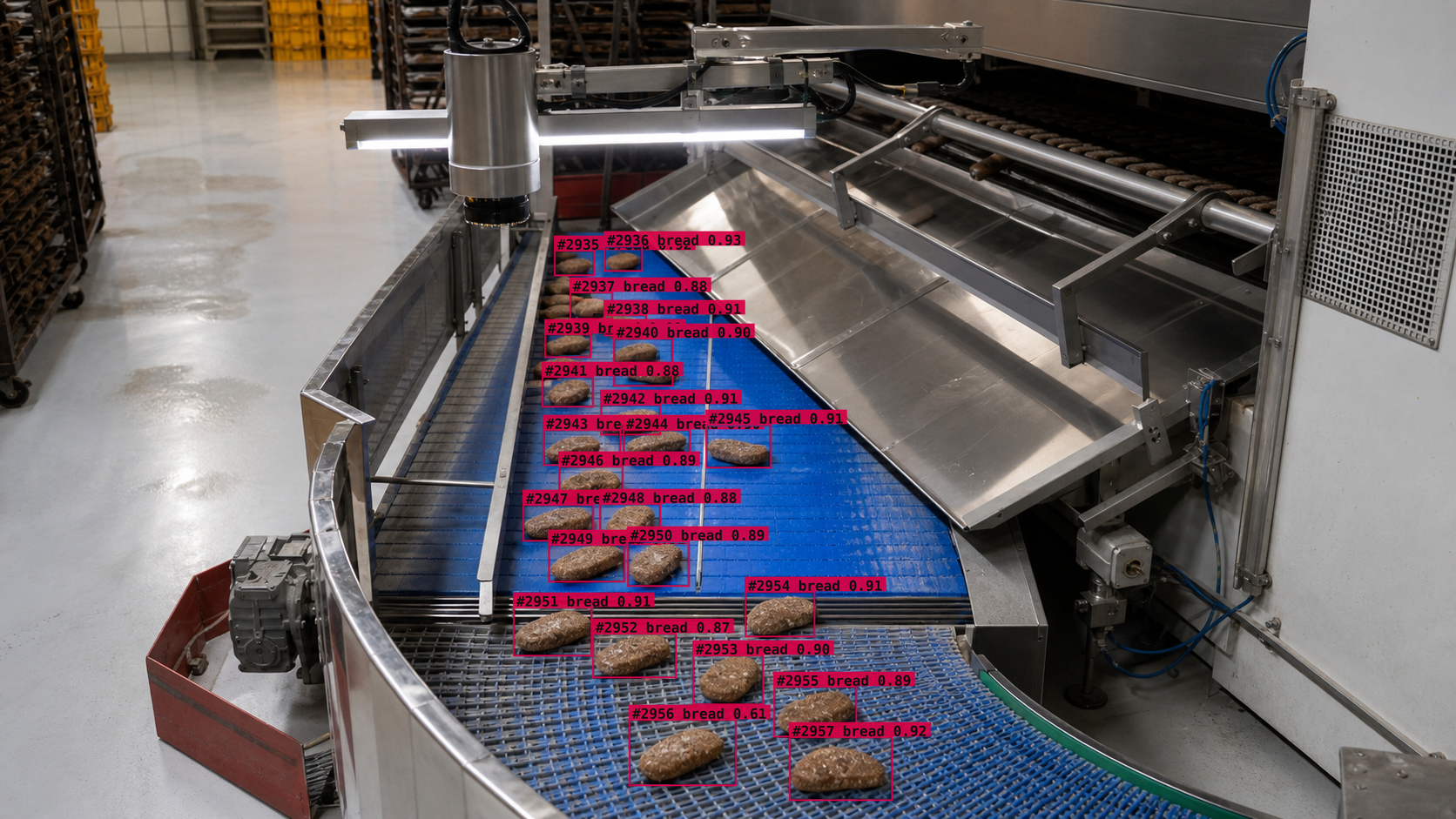
Computer vision for accurate in-flow product counting, classification by type, color, shape and quality attributes, packaging defect detection, and event delivery to accounting systems, PLC, SCADA, MES and ERP.
On a conveyor, objects can move in dense flows, partially overlap, and differ by shape, color, packaging, orientation and speed. A simple photoelectric sensor counts a line crossing, but it does not understand the object class, duplicate counting, empty positions, rejects, packaging defects or mixed flows.
The system analyzes video from an IP or industrial camera, detects objects, tracks their movement, removes duplicate counts, classifies products and captures defect indicators. Objects, analysis zones and inspection logic are configured in the interface: by line, area, control zone or production event.
The solution can be deployed step by step: start with quantity control on one line, then add product classes, presence checks, quality attributes, defect detection, integrations and reports.
Recording every object as it crosses a control line or passes through an analysis zone without stopping the conveyor.
Separating objects by type, color, size, shape, packaging, orientation, SKU and quality attributes.
Assessing dimensions, shape, position, skew, non-standard objects and clearly visible deviations.
Checking empty positions, omissions, completeness and the presence of an item in a cell, box, blister or on the belt.
Detecting packaging damage, contamination, label shift, print defects, wrong shape and suspicious items.
Sending counters, alerts, statuses and Warning / Reject / Alarm events to SCADA, MES, ERP, PLC, HMI, BI or reject systems.
The interface combines video streams, counting zones, event logs, class distribution, shift and line statistics, camera settings, defect frames and integration parameters.
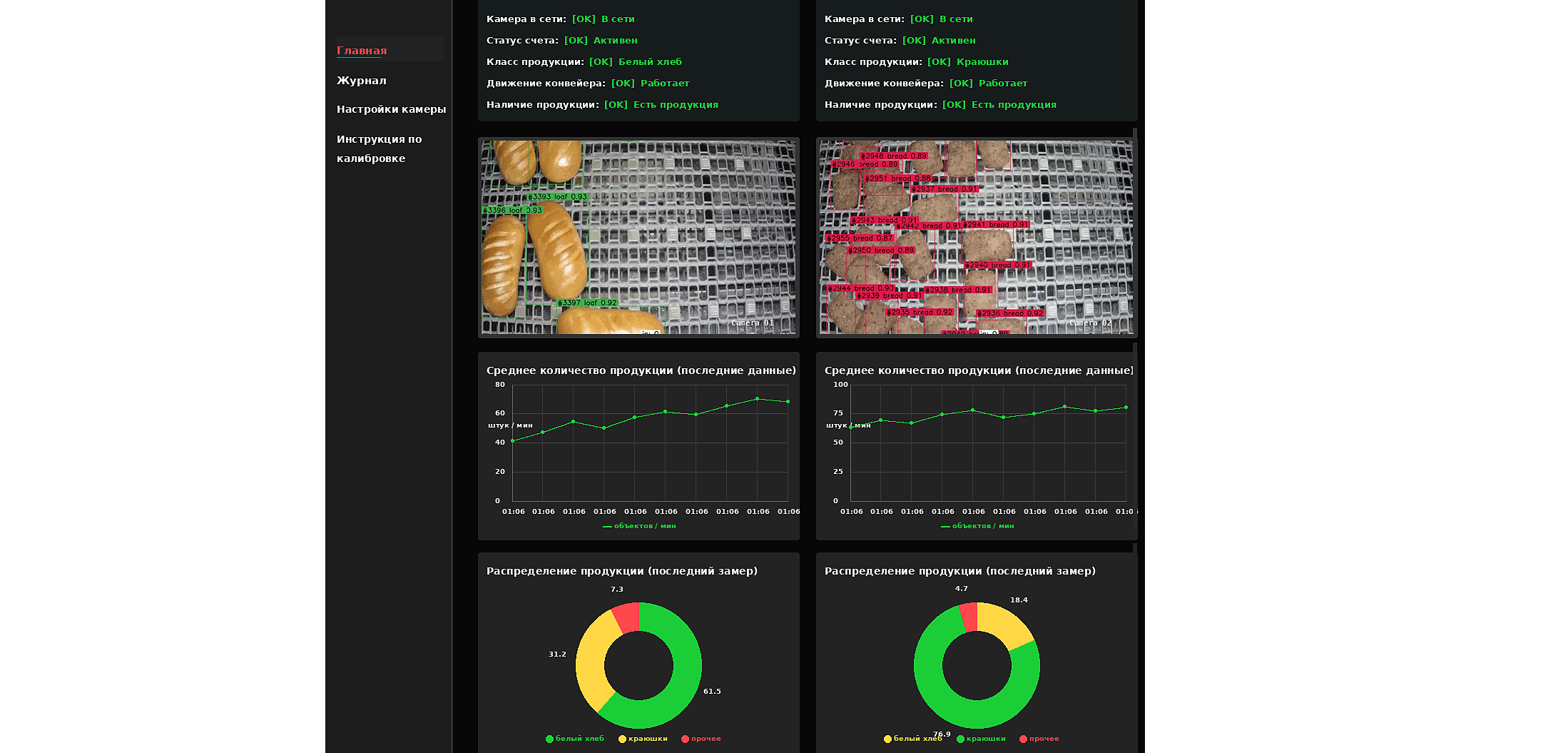
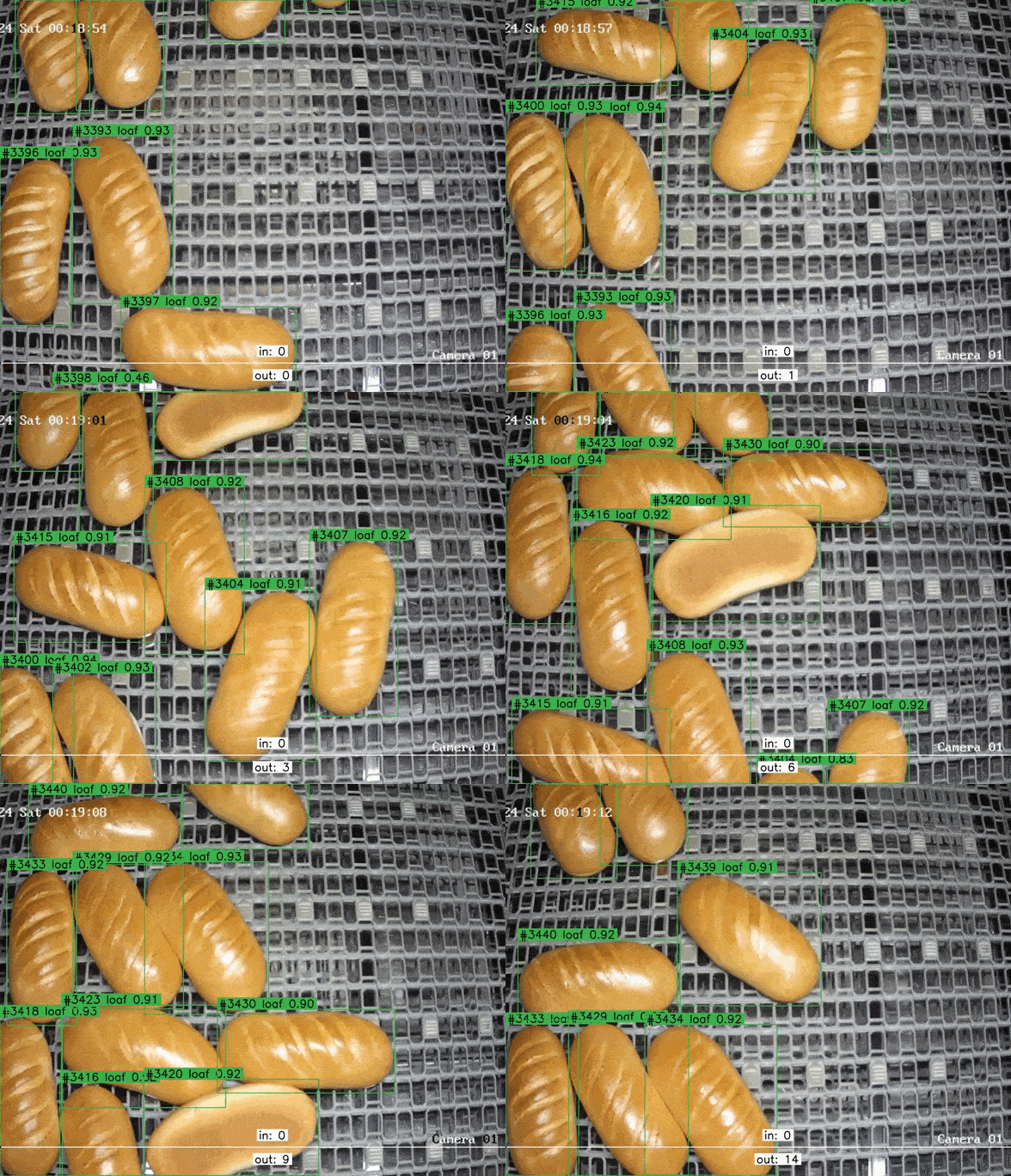
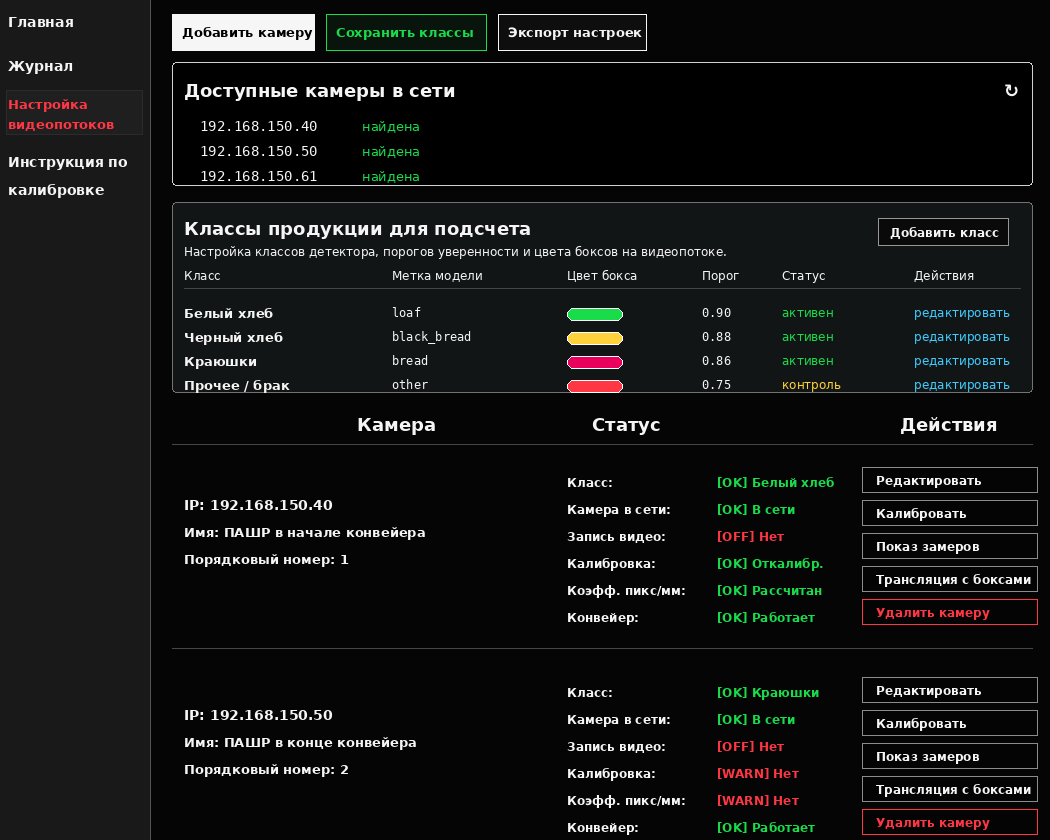
The system applies to food production, agriculture, warehouses, packaging and industrial assembly. In one contour it can count objects, classify them and detect rejects: damage, contamination, wrong orientation, missing components, print defects or non-standard shape.
The system records items in the flow, excludes duplicate counts and sends quantities by line, shift or batch. It can also flag non-standard shape, damage and visible rejects.
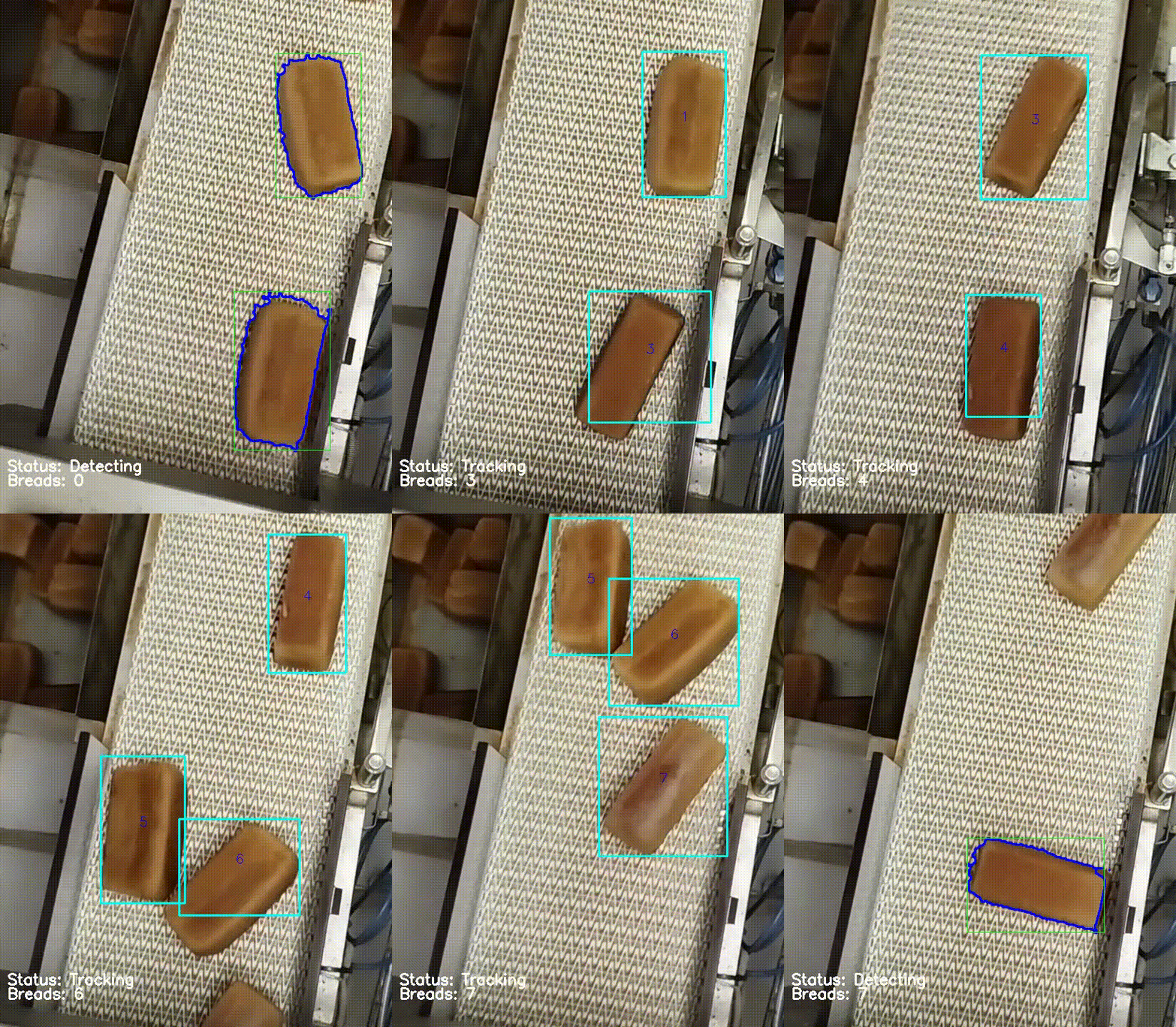
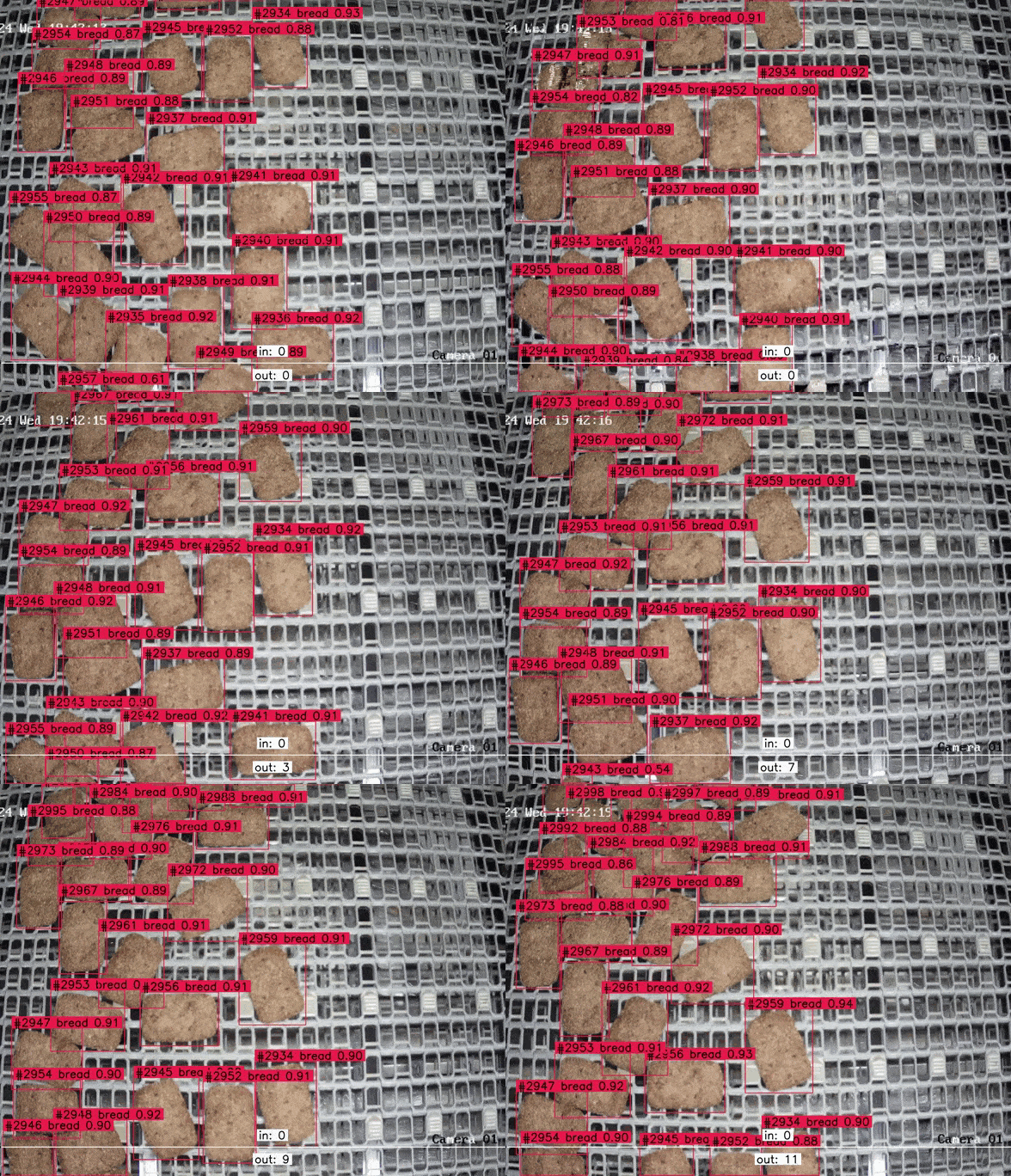
The AI detector separates product classes in one video stream, creates counters for each class and can highlight suspicious items for quality inspection.
The solution works with objects of different shapes and orientations where simple sensors cannot classify reliably, and helps detect deformation or unusual geometry.
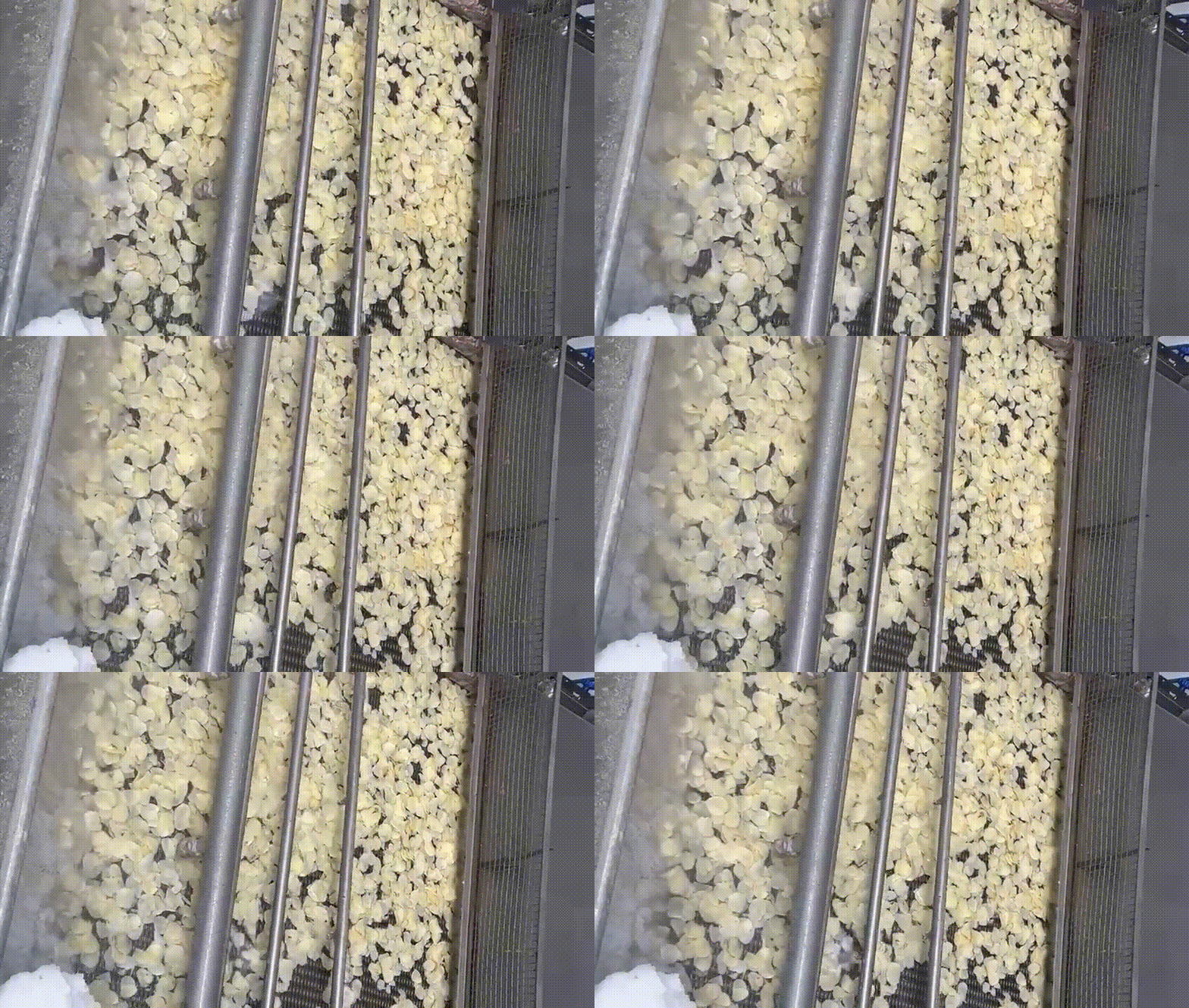
The scenario fits flow control before filling, packaging, sorting or transfer to the next area, including contamination, damage and incomplete package detection.
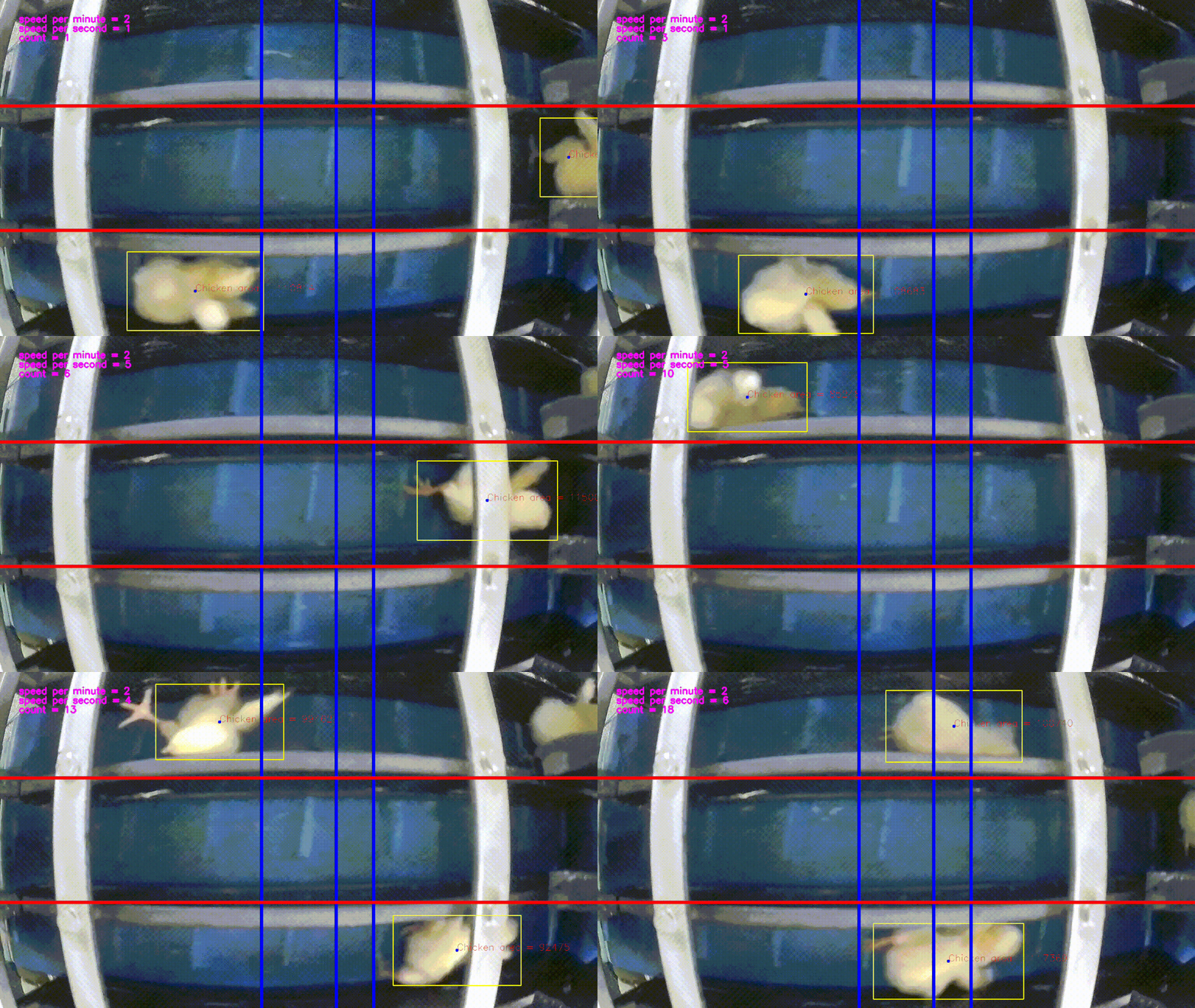
The system counts moving objects correctly even when they change position or briefly overlap each other.
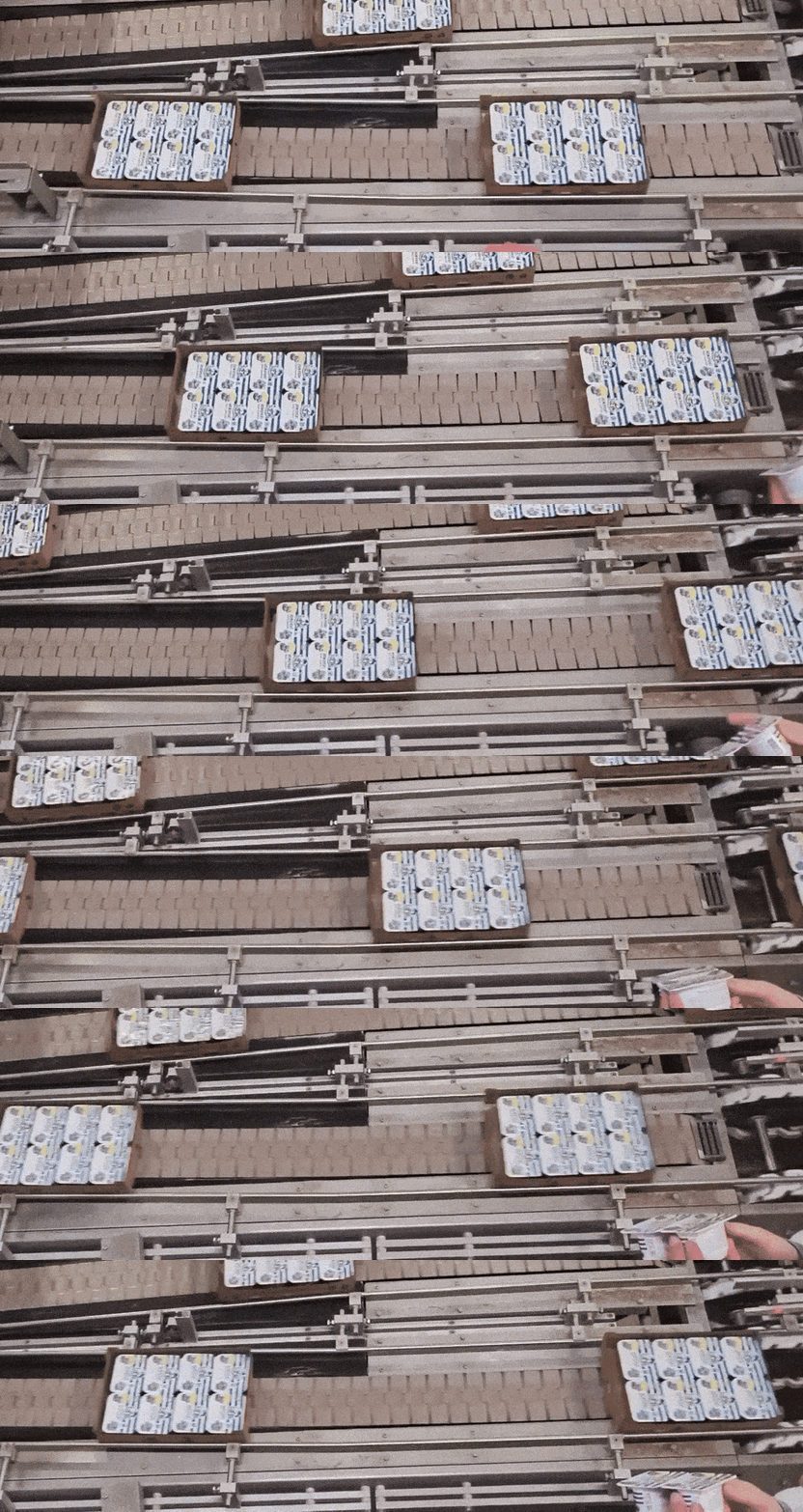
Package counting can be combined with integrity checks, contamination detection, label shift, print defects and signs of seal failure.

The system counts packages on the production line, monitors basic sorting operations and helps capture distribution errors or class deviations.
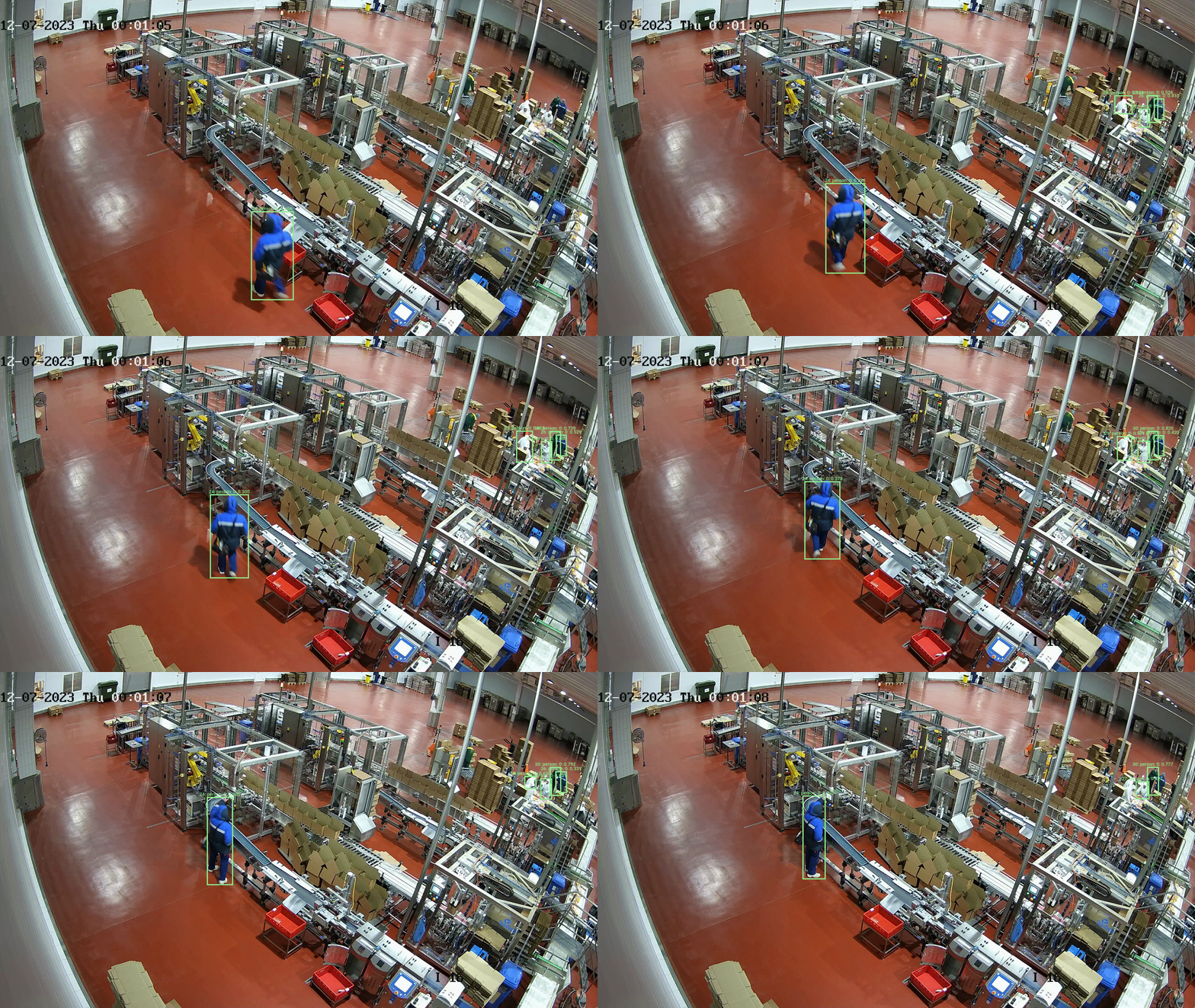
Counting operations, shifts and batches by lines, operators and production modes, with the ability to highlight losses and deviation causes.
In packaging-control projects, the model can count an object and assess its condition at the same time. This creates a single loop: object detected, classified, checked for quality, event saved, and, if needed, a reject signal sent.
Torn packaging elements, contamination, product residue on the outer surface, signs of seal failure and systematic packaging rejects.
Defects or missing human-readable print, date and expiration marking errors, poor flexographic printing and label displacement.
Label or insert mismatch with SKU, back-label displacement, missing component, wrong orientation, non-standard shape and suspicious object.
Reliable counting and defect control depend not only on the model, but also on a stable inspection point: the right camera, lighting, protection, working distance, line synchronization and exception rules.
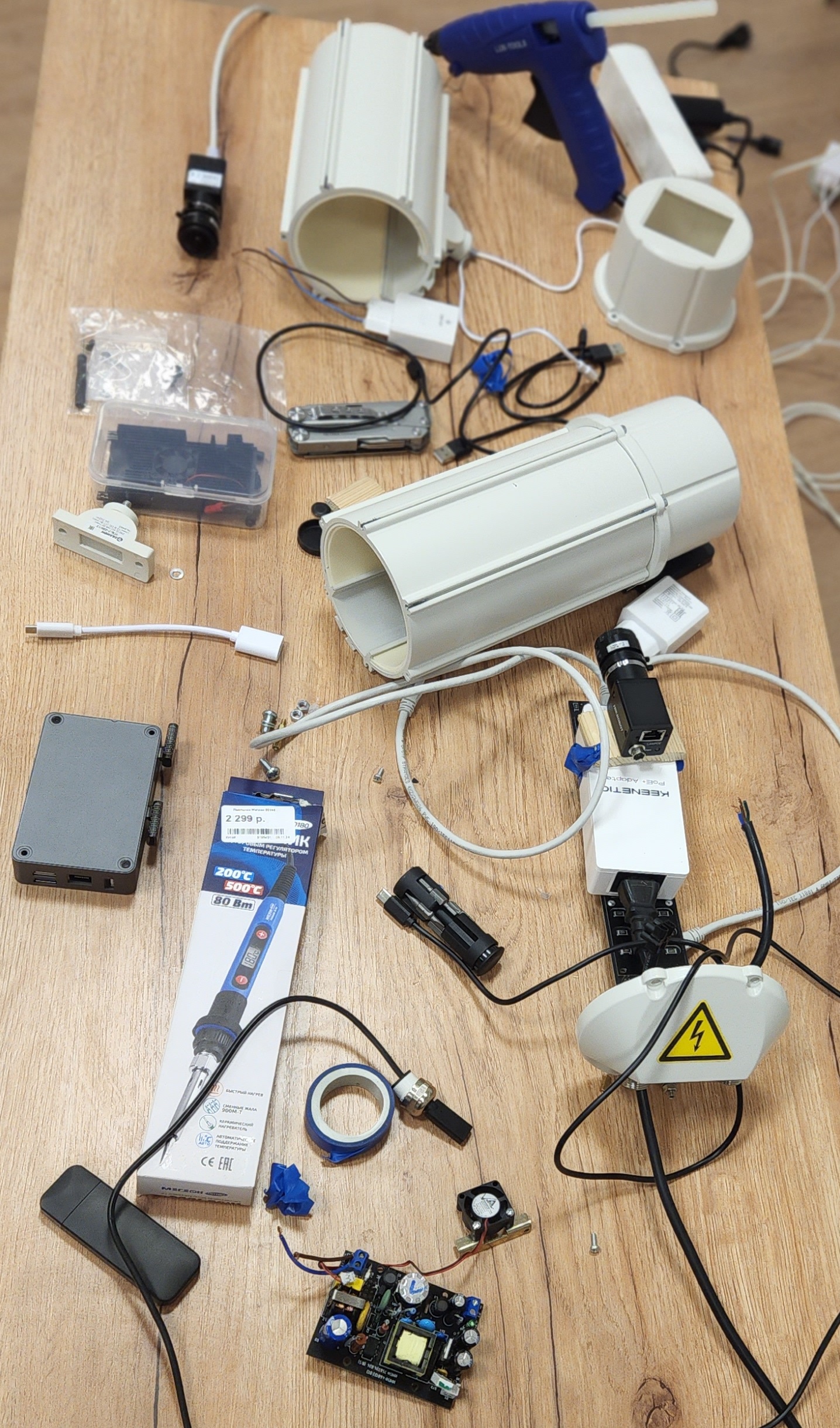
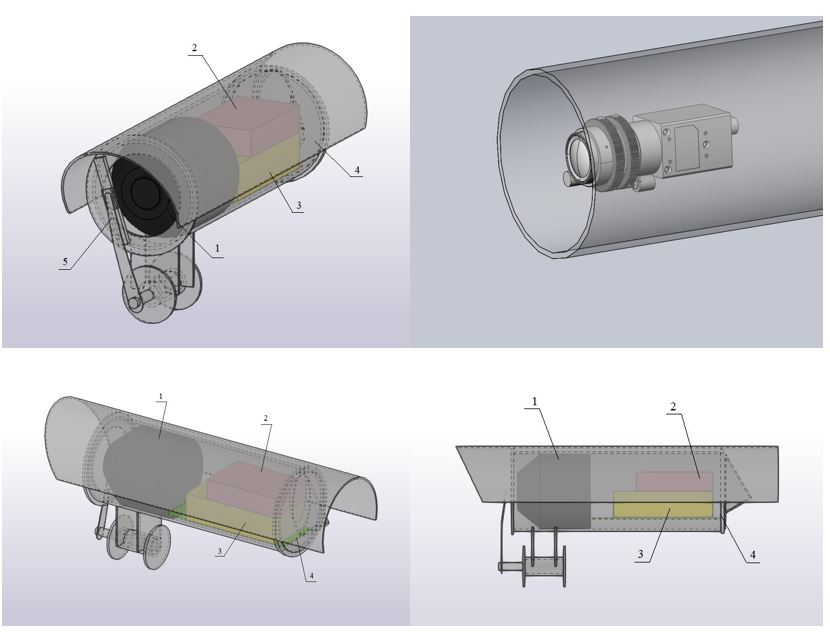
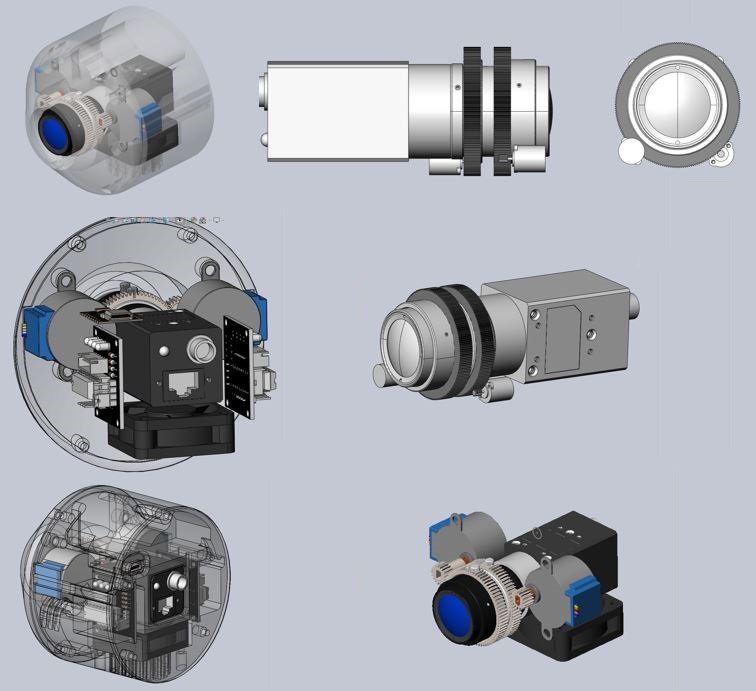
IP or industrial cameras, lenses, lighting, protective housing and mounting for a specific inspection point.
Detection, classification and quality-control models for selected objects, classes and production conditions.
Line or zone counting, defect events, frame archive, statistics by shifts, batches, lines and product classes.
Data delivery to SCADA, PLC, MES, ERP, VMS, HMI, BI and internal accounting systems via standard protocols.
We recommend starting with a pilot on one line: confirm accuracy, product classes, defect types, capture conditions and integration, then scale to other areas.
Define the counting object, product classes, defect types, line speed, capture conditions and reporting requirements.
Collect examples, configure the model, analysis zones, counters, filters, defect indicators and operator interface.
Fix accuracy metrics, rules for ambiguous cases, exceptions, defect types and operation requirements.
Add lines, classes, new scenarios, integrations and a unified production analytics center.
An open computer-vision algorithm library that can determine characteristics of objects and processes: dimensions, type, speed, color, geometric parameters, fonts, numbers, QR codes and other features.
Links to software registry information, documentation and installation materials.
Start with one inspection point: counting object, product classes, defect types, camera, lighting, pilot acceptance method, line integration and effect calculation before scaling.